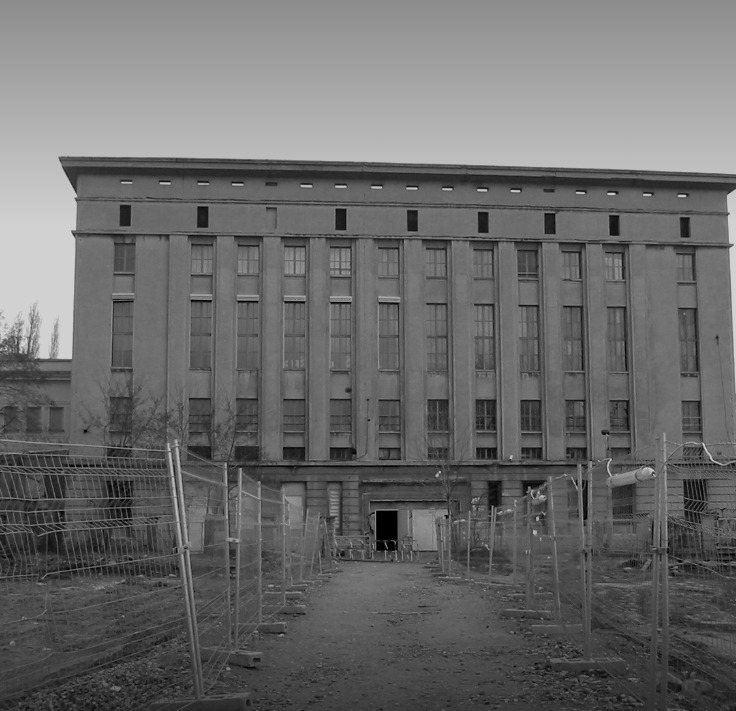
History
Berlin in 1980 was a divided city, but there was a rapidly developing counterculture in what
was basically a West German island in East Germany. With the Cold War in full swing, West
Berlin was walled in, yet the nightlife was never interrupted. There was a reason David Bowie,
Iggy Pop and many others were drawn to Berlin in the late 1970s. There weren't as many clubs
then as there are today, and while some of the original postwar clubs remain, most have
closed. When the Wall came down in 1989, empty buildings in the East started turning into
clubs almost overnight. Speed ahead more than thirty years, and an international scene has
been born. The Clubcommission, an association of Berlin club operators and event organizers,
works to protect and promote the city's club culture, and in 2024 Berlin's techno culture was
officially recognized as cultural heritage (Rave The Planet, 2024). I want to focus on where
and when the clubs existed to create a historiography of Berlin nightlife.